
Why More Men Over 35 Are Quietly Getting Botox (And Not Telling Anyone)
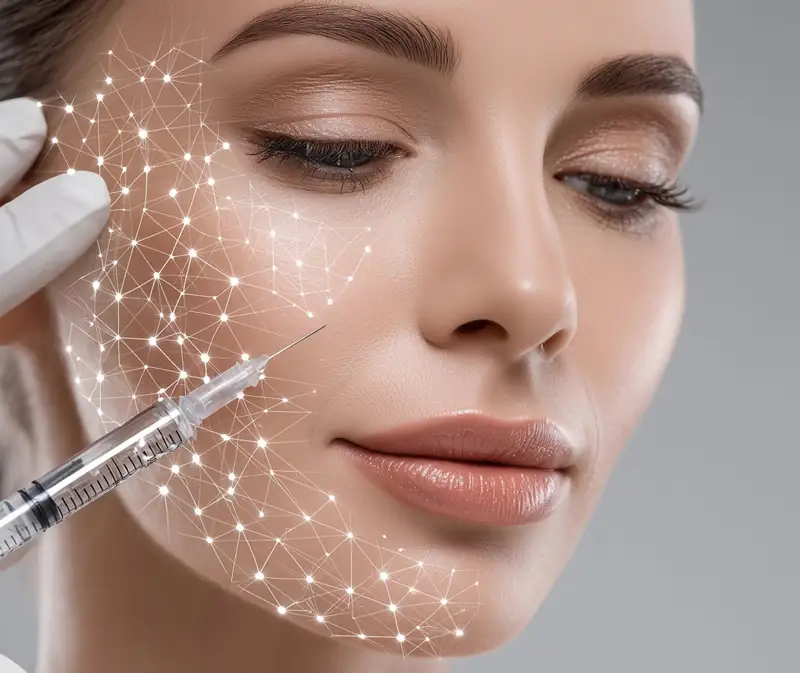
Not long ago, Botox was widely associated with celebrities and cosmetic procedures for women. Today, that perception is changing. More men are exploring aesthetic treatments as part of their overall self-care, often with one goal in mind: looking refreshed without looking like they've had anything done.
Many professionals, business owners, executives, and active adults over 35 are choosing Botox because they want to soften expression lines while maintaining a natural appearance. In most cases, they are not trying to look dramatically younger — they simply want to look less tired, less stressed, or more approachable.
The interesting part? Many never mention it. Not because Botox is something to hide, but because the best results often go unnoticed. Friends and colleagues may comment that someone looks well-rested or healthier without realizing why.
Why Are More Men Considering Botox After 35?
Aging affects everyone, but the first visible changes often become more noticeable during the mid-thirties.
Over time, repeated facial expressions — such as frowning, squinting, or raising the eyebrows — can make dynamic expression lines more apparent. At the same time, the skin naturally produces less collagen and elastin, contributing to visible signs of aging.
Many men begin exploring treatment when they notice:
- Deepening forehead lines
- Frown lines between the eyebrows
- Crow's feet around the eyes
- A consistently tired or tense facial expression
The decision is often less about chasing youth and more about maintaining a professional, healthy appearance that matches how they feel.
Botox for Men Isn't About Looking Different
One of the biggest misconceptions is that Botox creates a frozen or expressionless face.
Modern aesthetic medicine focuses on individualized treatment. Rather than eliminating all facial movement, the goal is usually to reduce excessive muscle activity while preserving natural facial expressions.
For male patients, treatment planning often considers:
- Facial anatomy
- Muscle strength
- Career and lifestyle
- Personal goals
- Desire for subtle, natural-looking results
Because men often have stronger facial muscles than women, treatment plans may differ in dosing and injection strategy. These decisions should always be made by a qualified medical professional after an in-person assessment.
The Most Common Areas Men Treat
Although every patient is different, the areas most frequently evaluated include:
Forehead Lines
Horizontal forehead lines often become more noticeable with age and repeated eyebrow movement.
Frown Lines
The vertical lines between the eyebrows can create an unintentionally angry or stressed appearance, even when someone feels relaxed.
Crow's Feet
Fine lines at the outer corners of the eyes may become more visible while smiling or squinting.
The goal is not to erase personality but to soften expression lines while maintaining a masculine, natural look.
Why Many Men Keep It Private
Despite growing acceptance, some men still view aesthetic treatments as something personal.
Common reasons include:
- They prefer people to notice the result rather than the treatment
- They want to maintain privacy about personal healthcare decisions
- They worry about outdated stereotypes surrounding cosmetic procedures
- They simply see Botox as part of routine self-care, similar to exercising, skincare, or dental care
As awareness grows, attitudes continue to shift, and more men are openly discussing preventive skincare and minimally invasive treatments.
What Happens During a Consultation?
A consultation is about much more than deciding whether Botox is appropriate.
A qualified clinician will typically evaluate:
- Facial anatomy and muscle movement
- Medical history and current medications
- Personal concerns and expectations
- Whether Botox is the most appropriate treatment — or whether another option would better address the patient's goals
Not every patient is a candidate, and sometimes the best recommendation is a different treatment or no injectable treatment at all.
How Long Do Botox Results Typically Last?
Botox does not produce permanent results. After treatment, the effect gradually develops over several days, with the full result often becoming noticeable within 10 to 14 days.
For many patients, the effects last approximately 3 to 4 months, although this varies depending on factors such as:
- Individual metabolism
- Muscle strength
- Treatment area
- Dose administered
- Previous Botox treatments
As muscle activity gradually returns, expression lines may become more visible again. A follow-up consultation helps determine whether additional treatment is appropriate based on the patient's goals and clinical assessment.
What Is Recovery Like?
One reason Botox has become popular among busy professionals is that it typically requires little to no downtime.
Most people return to work and normal daily activities the same day.
Following treatment, your clinician may recommend:
- Avoid rubbing or massaging the treated area for several hours
- Follow individualized guidance regarding strenuous exercise
- Attend any scheduled follow-up appointments
Recovery instructions may vary depending on the treatment plan and your medical history.
Is Botox Safe?
Botox has been used in both medicine and aesthetics for decades and has a well-established safety profile when administered by qualified healthcare professionals using approved products.
Like any medical procedure, however, it carries potential risks.
Temporary side effects may include:
- Mild redness at the injection site
- Minor swelling
- Tenderness
- Small bruises
- Headache in some patients
Less commonly, temporary effects such as eyelid drooping or asymmetry can occur if the medication affects nearby muscles. These risks are reduced through proper patient assessment, facial anatomy knowledge, and precise injection technique.
No cosmetic treatment is completely risk-free, making provider experience an important part of the decision.
Should Men Start Botox Before Deep Wrinkles Appear?
Some men in their 30s and early 40s ask about preventive Botox.
Rather than focusing on age alone, clinicians typically evaluate:
- Facial muscle activity
- Existing expression lines
- Skin quality
- Personal aesthetic goals
- Overall facial balance
Preventive treatment is not appropriate for everyone. For some patients, consistent sun protection, skincare, and healthy lifestyle habits may be the most appropriate first step.
A consultation helps determine whether Botox — or another treatment — is the best option.
Botox and Confidence: A Different Perspective
Many men who choose Botox are not trying to change how they look.
Instead, they often want their appearance to better reflect how they feel.
Patients frequently describe goals such as:
- Looking less tired during meetings
- Softening a consistently angry or stressed appearance
- Maintaining a professional image
- Aging naturally without dramatic changes
The best aesthetic outcomes usually do not attract attention because they preserve natural facial movement while subtly reducing expression lines.
Why Choose YouMedicine?
At YouMedicine, every Botox treatment begins with a personalized medical consultation — not with injections.
Your clinician evaluates:
- Facial anatomy
- Muscle movement
- Medical history
- Aesthetic goals
- Whether Botox is appropriate or whether another treatment may better address your concerns
Treatment plans are designed to achieve balanced, natural-looking results that complement your facial features rather than creating an overtreated appearance.
The consultation is also an opportunity to discuss realistic expectations, expected duration, possible side effects, and any questions you may have before deciding on treatment.
Frequently Asked Questions
Will people know I had Botox?
When treatment is individualized and conservatively planned, many patients report that friends or colleagues simply notice they look more rested or refreshed without identifying the reason.
Does Botox make men look unnatural?
Not when properly planned. Modern treatment aims to reduce excessive muscle activity while preserving natural facial expressions.
At what age do most men start Botox?
There is no ideal age. Some men seek treatment in their 30s, while others wait until later. The decision depends on facial anatomy, muscle activity, skin condition, and personal goals rather than age alone.
Is Botox painful?
Most patients describe the injections as brief and only mildly uncomfortable. Very fine needles are typically used during the procedure.
Can I work immediately afterward?
In many cases, yes. Botox is generally performed as an outpatient procedure with minimal interruption to normal daily activities.
How often will I need treatment?
Many patients return every few months if they wish to maintain the effect. The appropriate timing should always be determined during follow-up assessments.
Is Botox only for wrinkles?
No. Botulinum toxin also has several medical indications outside aesthetic medicine. In cosmetic practice, it is primarily used to soften dynamic expression lines after an appropriate medical evaluation.
Conclusion
The growing interest in Botox among men over 35 reflects a broader shift in how men approach health, confidence, and aging. Rather than seeking dramatic transformations, many are choosing subtle treatments that help them look rested, approachable, and natural.
Whether Botox is appropriate depends on your facial anatomy, medical history, and personal goals — not your age alone. A thorough consultation is the best way to determine if treatment is suitable and to develop a plan tailored to your needs.
If you're considering Botox in Medellín, a personalized evaluation at YouMedicine can help you understand your options and make an informed decision based on medical guidance.