
Can Umbilical Cord Stem Cells Heal Joint Problems? A Complete Guide to Joint Regeneration
Introduction: A Revolutionary Approach to Joint Healing
Joint problems—whether from arthritis, sports injuries, or age-related wear—have traditionally meant a lifetime of pain management, cortisone injections, or eventually, surgery.
But regenerative medicine is changing that narrative entirely. Umbilical cord stem cells, specifically mesenchymal stem cells (MSCs), are emerging as a powerful, non-invasive solution for healing damaged joints and restoring mobility.
Unlike bone marrow-derived stem cells, umbilical cord MSCs offer unique advantages: they're immune-privileged, easier to obtain, and rich in growth factors that promote tissue repair. At YouMedicine Clinic in Colombia, YouMedicine uses these advanced cellular therapies to help patients avoid surgery and reclaim pain-free movement.
What Are Umbilical Cord Stem Cells?
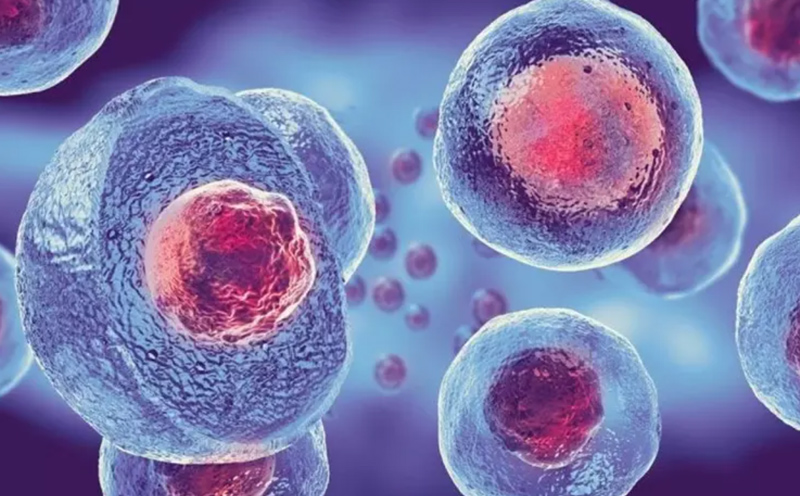
Umbilical cord stem cells are mesenchymal stem cells (MSCs) harvested from the tissue of donated umbilical cords—particularly from Wharton's jelly, the protective layer surrounding blood vessels in the cord.
How They Differ from Other Stem Cell Sources
Unlike stem cells taken from your own bone marrow or fat tissue (autologous), umbilical cord MSCs are allogeneic—meaning they come from a donor. This offers several benefits:
- No painful extraction procedure required
- Younger, more potent cells with higher regenerative capacity
- Lower risk of immune rejection due to immune-privileged properties
- Consistent quality and standardized cell counts
The Science Behind MSCs and Joint Repair
Mesenchymal stem cells don't simply "turn into cartilage." Instead, they work through powerful signaling mechanisms:
- Release anti-inflammatory cytokines that calm joint inflammation
- Secrete growth factors that stimulate your body's own repair cells
- Modulate immune responses to prevent further cartilage breakdown
- Promote the formation of new blood vessels for better nutrient delivery
Understanding Joint Problems and Degeneration
Common Joint Conditions That Respond to Stem Cells
Umbilical cord MSC therapy shows promise for:
- Osteoarthritis (knee, hip, shoulder, ankle)
- Cartilage defects and tears
- Tendon and ligament injuries
- Early-stage degenerative joint disease
- Post-surgical joint inflammation
Why Traditional Treatments Often Fall Short
Conventional therapies like NSAIDs, steroid injections, and physical therapy can manage symptoms but rarely address the root cause—damaged cartilage and chronic inflammation. Surgery, while effective in advanced cases, comes with risks, long recovery times, and potential complications.
How Umbilical Cord Stem Cell Therapy Works for Joints
The Treatment Process
- Consultation and Imaging: Comprehensive evaluation with X-rays or MRI to assess joint damage.
- Cell Preparation: High-quality umbilical cord MSCs are prepared in a certified laboratory.
- Intra-articular Injection: Cells are injected directly into the affected joint using ultrasound or fluoroscopy guidance for precision.
- Rehabilitation Protocol: Structured physical therapy to optimize healing and restore function.
What Happens After Injection
Once inside the joint, MSCs immediately begin their regenerative work:
- Reduce inflammation within days
- Signal cartilage cells to repair and regenerate over weeks
- Improve joint lubrication and reduce friction
- Gradually restore pain-free range of motion over 3–6 months
Scientific Evidence Supporting Umbilical Cord MSCs for Joints
Clinical Studies and Outcomes
- A 2021 study in Stem Cells Translational Medicine showed that umbilical cord MSCs reduced knee pain by 65% and improved function in osteoarthritis patients.
- Research published in 2022 demonstrated that MSCs combined with low-intensity ultrasound enhanced cartilage regeneration in animal models.
- Multiple clinical trials report significant improvements in joint mobility and quality of life with minimal adverse effects.
Real Patient Results
Patients receiving umbilical cord MSC therapy commonly report:
- Significant pain reduction within 4–8 weeks
- Improved mobility and reduced stiffness
- Decreased reliance on pain medications
- Ability to return to activities they love
Benefits of Umbilical Cord Stem Cells Over Traditional Joint Treatments
Non-Surgical and Minimally Invasive
No general anesthesia, no hospital stay, no lengthy recovery period. Most patients resume light activities within days.
Superior Regenerative Potential
Younger, more potent cells with stronger anti-inflammatory and tissue-repair capabilities compared to cells from older adult tissues.
Lower Rejection Risk
Umbilical cord MSCs are immune-privileged, meaning they're well-tolerated by most patients without the need for immune suppression.
Long-Lasting Relief
While steroid injections provide temporary relief, MSC therapy addresses the underlying damage, offering results that can last years.
Why Colombia and YouMedicine Clinic Lead in Joint Regeneration
Advanced Protocols and INVIMA Certification
YouMedicine Clinic in Colombia follows strict INVIMA (Colombian FDA) standards for stem cell sourcing, processing, and application. YouMedicine's protocols ensure the highest quality cells and safest delivery methods.
YouMedicine's Expertise in Regenerative Orthopedics
With specialized training in cellular medicine and years of experience treating complex joint conditions, the YouMedicine team tailors each treatment to the patient's specific needs—combining MSCs with complementary therapies like PRP when appropriate.
Affordable, World-Class Care
Colombia offers cutting-edge regenerative treatments at a fraction of U.S. or European costs—without sacrificing quality, safety, or outcomes. Patients from around the world choose YouMedicine for its combination of expertise, ethics, and affordability.
Safety Considerations and What to Expect
Regulatory Standards in Colombia
In Colombia, INVIMA oversees biological products and health facilities are registered in REPS. Regulatory status depends on the specific product and use; ask the clinic for documentation of the product proposed in your plan:
- Sterile, laboratory-tested cell preparations
- Transparent sourcing and processing protocols
- Comprehensive patient screening and follow-up
Potential Side Effects and Risks
Umbilical cord MSC therapy is generally very safe. Possible mild side effects include:
- Temporary soreness or swelling at the injection site
- Mild joint stiffness for a few days
- Rare risk of infection (minimized by sterile techniques)
Serious adverse events are extremely rare when performed by qualified professionals.
Who Is a Good Candidate?
Ideal candidates include those with:
- Mild to moderate joint degeneration
- Chronic joint pain unresponsive to conservative care
- Desire to avoid or delay surgery
- Good overall health and realistic expectations
FAQs About Umbilical Cord Stem Cells for Joint Problems
Can umbilical cord stem cells cure arthritis?
While not a guaranteed cure, they can significantly reduce pain, slow disease progression, and improve joint function—potentially avoiding the need for surgery.
How long do the results last?
Many patients experience benefits lasting 2–5 years, especially with proper rehabilitation and lifestyle modifications.
Is the treatment painful?
The injection itself causes mild discomfort, similar to a standard joint injection. Most patients tolerate it well with local anesthesia.
How many treatments are needed?
Most patients see significant improvement with 1–3 injections spaced several weeks apart, depending on the severity of joint damage.
Are umbilical cord stem cells safe?
Yes—when obtained from certified, ethical sources and administered by trained professionals, they are safe and well-tolerated.
Conclusion: A Natural Path to Joint Regeneration
Can umbilical cord stem cells heal joint problems? The evidence says yes—they offer a powerful, scientifically backed solution for reducing pain, repairing cartilage, and restoring mobility.
At YouMedicine Clinic in Colombia, YouMedicine combines the latest regenerative science with personalized care to help patients overcome joint problems naturally—without surgery, without prolonged downtime, and with lasting results.
Discover the future of joint healing at youmedicine.co.