Why Stem Cells Help with Tennis Elbow and Arthritis: The Science Explained
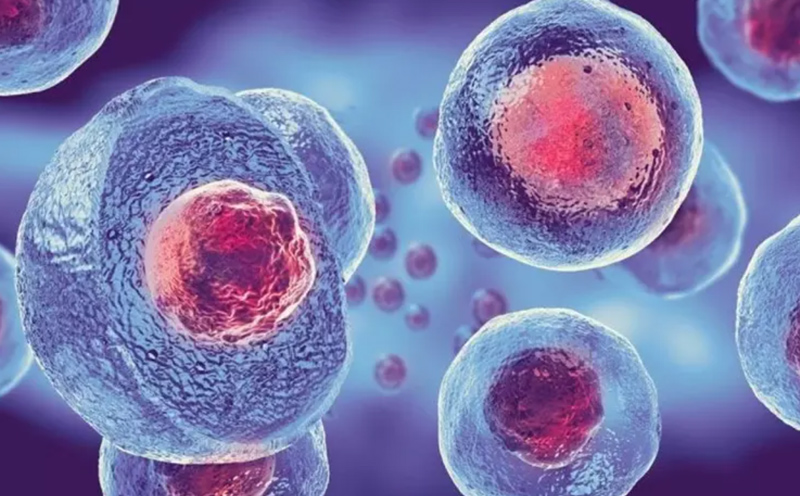
Why Stem Cells Help with Tennis Elbow and Arthritis
Tennis elbow and arthritis are treated as two distinct conditions — one an overuse injury of the tendon, the other a degenerative disease of the joint. But they share a biological substrate that explains why both respond well to stem cell therapy: chronic tissue damage and the inflammatory response that perpetuates it.
Understanding why stem cells help requires understanding what is actually happening in the affected tissue — and why conventional treatments fall short.
Why Joint Conditions Are Increasing
The prevalence of both tennis elbow and arthritis is rising:
- Tennis elbow affects approximately 3% of the general population and up to 50% of tennis players — but more than 95% of cases occur in people who have never played tennis, reflecting the reality that any repetitive forearm motion (typing, manual work, painting, carpentry) can cause it
- Osteoarthritis affects over 500 million people globally and is the leading cause of disability in adults over 60 — a number growing as populations age
- Rheumatoid arthritis affects 1–2% of the global population; onset is increasingly occurring in younger adults
Both conditions share a critical clinical limitation: conventional treatments manage symptoms effectively in the short term but don't address the tissue-level damage that causes them.
The Shift Toward Regenerative Medicine
The appeal of stem cell therapy for joint conditions reflects a fundamental shift in what patients are looking for — and what they've found conventional medicine unable to provide:
- Corticosteroid injections for tennis elbow provide temporary pain relief but accelerate long-term tendon degeneration with repeated use
- NSAIDs manage arthritis pain but have meaningful cardiovascular and gastrointestinal risks with long-term use
- Surgery for tennis elbow (tendon release) has a 20–40% rate of incomplete recovery
- Joint replacement for arthritis is effective but irreversible, requires significant rehabilitation, and carries procedural risks
Stem cell therapy offers something different: an attempt to actually repair the damaged tissue rather than temporarily suppress its symptoms.
Understanding the Conditions
Tennis Elbow (Lateral Epicondylitis)
Despite the name, tennis elbow is a tendinopathy — a degenerative condition of the extensor carpi radialis brevis (ECRB) tendon that attaches at the lateral epicondyle of the humerus. The condition develops when repetitive strain exceeds the tendon's capacity for self-repair, leading to:
- Micro-tears in the tendon collagen fibers
- Failed healing response — the tendon attempts repair but produces disorganized, mechanically inferior collagen rather than restoring normal tendon architecture
- Angiofibroblastic degeneration — the pathological process seen on biopsy in chronic cases; characterized by disorganized fibroblast proliferation and abnormal vascularity
- Pain and weakness — particularly with gripping, lifting, and extending the wrist
The critical insight: tennis elbow is not primarily an inflammatory condition (despite the "-itis" suffix). It is a degenerative condition with failed healing. This distinction is why anti-inflammatory treatments provide only partial, temporary relief — and why regenerative approaches are conceptually better suited.
Arthritis
Arthritis encompasses a spectrum of joint diseases with distinct pathophysiology:
Osteoarthritis (OA) — the most common form. Characterized by:
- Progressive loss of articular cartilage — the smooth tissue covering joint surfaces
- Subchondral bone changes — sclerosis and osteophyte formation
- Synovial inflammation — secondary to cartilage breakdown products
- Resultant pain, stiffness, and functional limitation
Rheumatoid Arthritis (RA) — an autoimmune condition characterized by:
- Synovial membrane inflammation driven by an aberrant immune response
- Progressive joint destruction through enzymatic cartilage degradation
- Systemic manifestations beyond the joints
Both forms share the key feature of cartilage damage or loss — tissue that has extremely limited capacity for natural regeneration, which is precisely why arthritis is a progressive condition under standard care.
How Stem Cells Work in These Conditions
The Biology of MSC Therapy for Tendon and Joint Disease
Mesenchymal stem cells (MSCs) — the cell type most commonly used in orthopedic regenerative medicine — address the pathophysiology of both tennis elbow and arthritis through multiple converging mechanisms:
Anti-inflammatory signaling:
MSCs are among the most potent biological regulators of inflammation available. They release:
- IL-10 and TGF-β — powerful anti-inflammatory cytokines that suppress the inflammatory cascade perpetuating tissue damage
- TSG-6 — a potent modulator of neutrophil activity, reducing tissue-damaging inflammatory infiltration
- PGE2 — which reprograms macrophages from pro-inflammatory (M1) to anti-inflammatory (M2) phenotype
This immunomodulatory effect is particularly relevant to rheumatoid arthritis, where the inflammatory response is the primary driver of joint destruction.
Tendon repair (tennis elbow):
In the degenerative tendon environment characteristic of tennis elbow:
- MSCs differentiate into tenocytes — the cells responsible for producing organized tendon collagen
- Growth factors released by MSCs (TGF-β, PDGF, IGF-1) stimulate resident tenocytes to increase collagen synthesis
- The disorganized collagen of the angiofibroblastic degeneration is gradually replaced by mechanically superior, organized collagen
- Tendon mechanical properties — tensile strength, stiffness, extensibility — improve as structural repair progresses
Cartilage regeneration (arthritis):
In the arthritic joint:
- MSCs can differentiate into chondrocytes — the cartilage-producing cells
- Chondrogenic differentiation is stimulated by the joint environment, producing hyaline-like cartilage that restores the articular surface
- Anti-inflammatory signaling reduces the synovial inflammation that drives cartilage degradation
- Resident joint stem cells — depleted and dysfunctional in the arthritic joint — are reactivated by MSC paracrine signals
- Subchondral bone remodeling improves as the overall joint environment becomes less inflammatory
Angiogenesis:
MSCs stimulate formation of new blood vessels via VEGF secretion. In both conditions, improved tissue vascularity delivers oxygen and nutrients essential for ongoing repair.
Clinical Evidence
Stem Cells for Tennis Elbow
Multiple clinical studies have evaluated platelet-rich plasma (PRP) and MSC injections for lateral epicondylitis:
- Controlled trials comparing MSC injection to corticosteroid injection consistently show superior long-term outcomes with MSC therapy — with corticosteroid showing earlier benefit that reverses over time, while MSC benefits accumulate
- Ultrasound imaging in treated patients shows measurable improvement in tendon structure — reduced hypoechogenicity (a marker of tendon degeneration) and improved fiber organization
- Patients who failed corticosteroid, physiotherapy, and extracorporeal shockwave therapy (ESWT) have demonstrated significant improvement with MSC injection in case series
Stem Cells for Arthritis
The evidence base for MSC therapy in osteoarthritis is substantial:
- Multiple randomized controlled trials comparing intra-articular MSC injection to hyaluronic acid (standard care) and placebo show significant improvements in pain scores and functional outcomes
- Some trials report measurable cartilage thickness improvements on MRI — indicating genuine structural benefit rather than symptom management alone
- Long-term follow-up data (2–5 years) shows durable benefits in responding patients
- For rheumatoid arthritis, IV MSC therapy has shown significant disease activity reductions in treatment-refractory patients in controlled trials
Benefits of Stem Cell Therapy for Joint Conditions
Pain Reduction
The anti-inflammatory mechanism produces meaningful pain relief — often beginning within 4–8 weeks of treatment as inflammatory mediators decline. Unlike corticosteroid injections (which reduce inflammation without addressing the underlying tissue pathology), stem cell therapy's anti-inflammatory effect accompanies genuine tissue repair, making it durable rather than temporary.
Improved Mobility and Function
As joint inflammation decreases and cartilage/tendon integrity improves, range of motion and functional capacity improve. Patients with arthritis report improved ability to perform daily activities; tennis elbow patients regain grip strength and pain-free range of motion.
Avoiding Surgery
For many patients, stem cell therapy represents a genuine surgical alternative:
- Tennis elbow patients who would otherwise be candidates for tendon release surgery can achieve equivalent or superior functional outcomes with MSC injection — without surgical risk, recovery, or the 20–40% rate of incomplete improvement following surgery
- Arthritis patients can delay or potentially avoid joint replacement — maintaining quality of life and joint function for additional years without the irreversibility and rehabilitation burden of total joint arthroplasty
Faster Healing Timeline
Compared to the natural history of both conditions (chronic, progressive, measured in years), stem cell therapy compresses the healing timeline — with meaningful functional improvements typically observed within 2–4 months.
What to Expect from Treatment
Procedure Overview
Consultation:
Thorough evaluation including history of the condition, prior treatments attempted, current functional limitations, imaging review (X-ray, MRI), and lab work where indicated. Protocol selection is individualized based on condition severity, prior treatment history, and patient goals.
For tennis elbow:
- Stem cell injection (MSCs from adipose or bone marrow, or concentrated growth factor preparations) directly into the degenerative tendon under ultrasound guidance for precision
- Often combined with PRP injection for synergistic growth factor delivery
- The ultrasound-guided approach ensures accurate delivery to the specific degenerative zone within the tendon
For arthritis:
- Intra-articular injection (directly into the joint space) of MSCs under image guidance
- Often combined with joint lavage to remove inflammatory debris before cell delivery
- Systemic IV MSC infusion may be added for patients with multiple affected joints or significant systemic inflammatory component
Recovery Timeline
- Week 1–2: Initial anti-inflammatory effect; some patients notice reduced pain and swelling within this period
- Weeks 3–6: Continued improvement as tissue repair progresses; improved mobility and function
- Months 2–4: Most significant structural repair occurring; measurable improvements in tendon quality (for tennis elbow) and joint function (for arthritis)
- Long-term: Results typically persist 12–24+ months; maintenance injections sustain and build on initial outcomes
Safety and Risks
Side Effects
MSC therapy for orthopedic conditions has an excellent safety profile:
- Mild temporary soreness at the injection site — typically resolving within 2–5 days
- Transient swelling in the treated joint — part of the initial healing response, resolving within 1–2 weeks
- Rare: infection at injection site — prevented by sterile technique and physician oversight
Serious complications are rare in properly managed clinical settings.
Who Should Consider Stem Cell Therapy
- Patients with chronic tennis elbow that has not responded adequately to physiotherapy, corticosteroid injection, or ESWT
- Arthritis patients seeking to delay or avoid joint replacement while maintaining quality of life
- Anyone who has been told surgery is their next option and wants to explore biological alternatives first
- Patients with multiple joint involvement seeking a systemic approach alongside targeted local therapy
FAQs About Stem Cells for Tennis Elbow and Arthritis
Do stem cells cure arthritis?
Stem cells can significantly reduce symptoms and slow or partially reverse cartilage loss — but in established osteoarthritis with significant joint space narrowing, complete restoration is not a realistic expectation. The goal is meaningful functional improvement and disease modification rather than cure.
How long do results last?
For tennis elbow, successful treatment often produces durable results lasting 1–3 years or longer. For arthritis, 12–24 months of maintained improvement is typical, with maintenance injections sustaining the benefit.
Is the treatment painful?
Minimal discomfort. Injection site pain is managed with local anesthetic. Patients typically experience mild soreness for a few days post-procedure — significantly less than surgical recovery.
How soon will I feel relief?
Some patients notice improved pain within 2–4 weeks. Full functional improvement develops over 2–4 months as tissue repair progresses.
Is stem cell therapy better than surgery for these conditions?
For many patients — particularly those with moderate-severity conditions who have not yet experienced complete treatment failure — stem cell therapy offers equivalent or superior long-term outcomes without the risks, recovery burden, and irreversibility of surgery. It should be considered before surgical intervention.
Where can I learn more?
The American Academy of Orthopaedic Surgeons and Orthopaedic Research Society both publish current research on biological treatments for tendon and joint conditions.
Conclusion
Stem cells help with tennis elbow and arthritis by addressing what conventional treatments cannot: the tissue-level damage and chronic inflammatory environment responsible for pain and functional loss. By repairing degenerative tendons, restoring cartilage, and resetting the inflammatory milieu of the affected joint, MSC therapy offers outcomes that are more durable and more structurally meaningful than symptom management — and a genuine alternative to surgery for many patients.
At YouMedicine, our orthopedic regenerative protocols integrate stem cell therapy with complementary approaches for optimized outcomes — tailored to your specific condition and treatment history.
Contact us at wellness@youmedicine.co or via WhatsApp at +57 324 576 1913 to discuss whether stem cell therapy is the right next step for your joint condition.
Your wellness starts with YOU.