
Why Using Stem Cells for Sports Injuries Is Beneficial Over Surgery
Introduction: The Future of Sports Medicine
Sports injuries are an inevitable part of any athlete's journey, but the way we treat them is changing dramatically. For decades, surgery has been the go-to solution for serious joint, ligament, and muscle injuries. However, stem cell therapy is now offering a safer, faster, and more natural path to recovery. This revolutionary approach harnesses the body's own regenerative power to heal damaged tissues without the risks and downtime associated with surgical procedures.
Understanding Sports Injuries and Traditional Treatments
Common Types of Sports Injuries
Athletes commonly suffer from conditions such as:
- Torn ligaments (ACL, MCL)
- Tendon injuries (Achilles tendonitis)
- Muscle strains
- Cartilage damage
- Rotator cuff tears
These injuries can cause pain, swelling, and mobility loss — often requiring months of recovery.
How Surgery Is Typically Used to Treat Sports Injuries
Traditional surgical repair involves cutting, stitching, or even replacing damaged tissue. While effective, it carries several downsides:
- Long recovery time
- High infection risk
- Possible scar tissue formation
- Post-surgery complications
What Are Stem Cells and How Do They Work?
The Science Behind Stem Cell Therapy
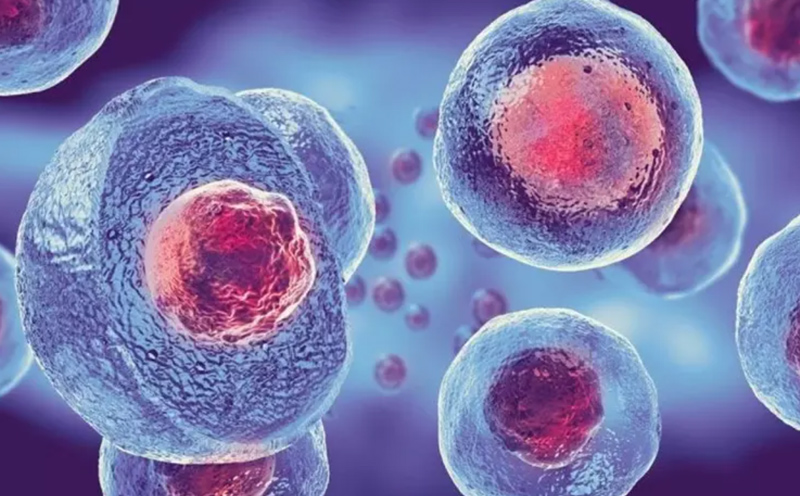
Stem cells are the body's master cells, capable of transforming into any specialized cell type — like bone, cartilage, or muscle. When injected into an injured area, these cells promote natural regeneration by reducing inflammation and stimulating tissue repair.
Types of Stem Cells Used in Regenerative Medicine
Mesenchymal stem cells (MSCs): Derived from bone marrow or fat tissue, commonly used for joint and tendon injuries.
Amniotic stem cells: Collected from the placenta after birth and rich in growth factors.
Adipose-derived stem cells: Harvested from fat tissue; excellent for soft tissue repair.
Comparing Stem Cell Therapy vs. Surgery for Sports Injuries
Recovery Time and Healing Speed
Stem cell therapy allows athletes to return to action in weeks rather than months. Surgical recovery often requires extensive rehabilitation, while stem cell injections support quicker natural healing.
Risk Factors and Side Effects
Surgery carries risks such as infection, nerve damage, and anesthesia complications. In contrast, stem cell therapy is minimally invasive, using the patient's own cells — minimizing rejection or allergic reactions.
Cost and Accessibility Comparison
While initial stem cell treatments may seem costly, they often save money long-term by avoiding hospital stays, rehab costs, and missed training time.
Key Benefits of Using Stem Cells Over Surgery
Natural Healing and Regeneration
Stem cells heal from within — repairing the root cause of injury instead of merely replacing damaged parts. This leads to stronger, more sustainable recovery outcomes.
Minimally Invasive and Less Painful
Unlike surgery, stem cell therapy involves only a small injection. There's little to no scarring and minimal discomfort during or after treatment.
Reduced Downtime and Faster Return to Sports
Many athletes report resuming light training within weeks. With surgery, downtime can stretch to 6–12 months, drastically impacting performance timelines.
Long-Term Joint Health and Prevention of Future Injuries
Because stem cells help rebuild cartilage and strengthen tissues, they protect joints from degeneration and reduce the likelihood of recurring injuries.
Real-Life Success Stories in Sports Regenerative Medicine
Professional Athletes Who Used Stem Cell Therapy
Elite athletes like Rafael Nadal and Kobe Bryant reportedly turned to stem cell treatments to overcome persistent joint injuries — achieving impressive recoveries without going under the knife.
Clinical Evidence Supporting Stem Cell Use
Numerous studies published in journals like The American Journal of Sports Medicine show that stem cell therapy promotes cartilage regeneration and pain reduction in knee and shoulder injuries.
Potential Risks and Limitations of Stem Cell Therapy
While generally safe, stem cell treatments must be performed by qualified medical professionals. Risks may include minor swelling or soreness at the injection site.
Ethical and Regulatory Considerations
Stem cell regulations vary by country. Always ensure the clinic follows FDA or local health authority guidelines.
When Surgery Might Still Be Necessary
Severe bone fractures or complete ligament tears may still require surgical intervention — but stem cell therapy can often complement post-surgical recovery.
Future of Regenerative Medicine in Sports Recovery
Ongoing Research and Innovations
Scientists are exploring exosome therapy and 3D bioprinting to enhance stem cell applications, potentially replacing traditional surgeries altogether.
Integration with Physical Therapy and Rehabilitation
Combining stem cell therapy with physiotherapy ensures optimal recovery, improving strength, mobility, and long-term function.
Frequently Asked Questions (FAQs)
How long does stem cell therapy take to work?
Most patients notice improvements within 3–6 weeks, with continued healing over several months.
Is stem cell therapy painful?
No, it's minimally invasive and typically done under local anesthesia, causing only mild soreness.
Are stem cell treatments safe for all athletes?
Yes, when performed by certified specialists using sterile procedures.
Can stem cells completely replace surgery?
In many soft tissue injuries, yes — but in severe structural damage, surgery may still be required.
How much does stem cell therapy cost?
Every plan is personalized. Message us on WhatsApp and we'll send your quote after reviewing your case.
Conclusion: A New Era in Healing for Athletes
Stem cell therapy is reshaping the future of sports medicine. By promoting natural healing, reducing downtime, and minimizing pain, it offers an effective and sustainable alternative to traditional surgery. For athletes seeking faster recovery and long-term joint health, using stem cells for sports injuries is clearly beneficial over surgery — a true game-changer in modern healthcare.
Ready to explore stem cell therapy for your sports injury? Contact YouMedicine today at youmedicine.co to schedule a consultation.
Related reading: For more information on musculoskeletal sports injury evaluation and recovery options in Medellín, see our dedicated page on sports injury recovery in Medellín. Patients who have completed physiotherapy without sufficient improvement may also find our page on persistent pain after physiotherapy useful.