Peptides and Stem Cells: Uses, Benefits, and the Future of Regenerative Medicine
Peptides and Stem Cells: Uses, Benefits, and the Future of Regenerative Medicine
Peptides and stem cells are changing the way modern medicine approaches healing and regeneration. These two powerful tools are at the center of regenerative medicine, offering new hope for faster recovery, anti-aging, and treatment of chronic diseases.
Together, peptides and stem cells create a powerful combination that supports the body's natural ability to repair itself. But how do they actually work, and why are they so effective?
What Are Peptides?
Peptides are short chains of amino acids that act as signaling molecules in the body. They tell cells what to do — whether it's to grow, repair, or reduce inflammation.
Because peptides are small and specific, they can target certain functions without affecting the entire body. This makes them a precise and efficient tool in medical treatments.
What Are Stem Cells?
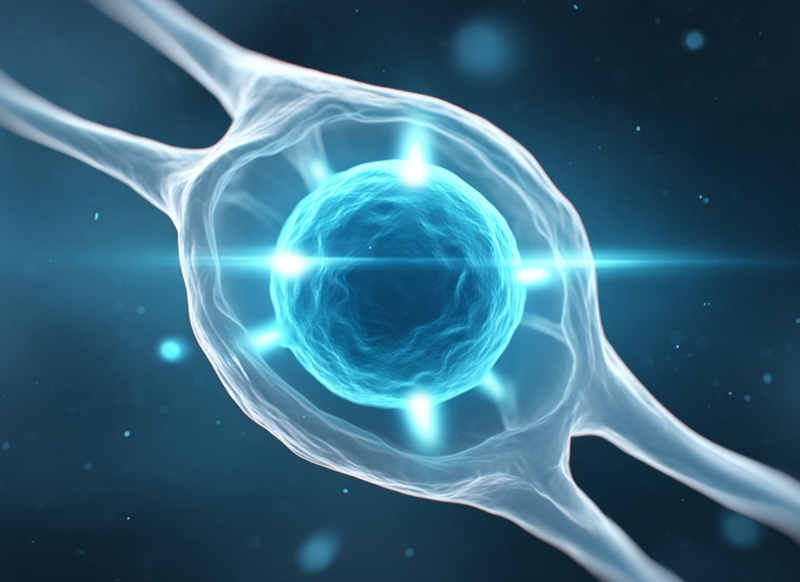
Stem cells are unique because they can transform into different types of cells. They serve as the body's repair system, capable of regenerating damaged tissues.
There are different types of stem cells, but all share one key ability: renewal. This means they can divide and create new cells, helping replace damaged or aging tissues.
The Science Behind Peptides and Stem Cells
Cellular Communication and Signaling
Peptides act as messengers that guide stem cells. They bind to receptors on cell surfaces and trigger responses such as growth, repair, or inflammation reduction.
This communication is essential because stem cells rely on signals to know where to go and what to become.
Role in Tissue Regeneration
When peptides and stem cells work together, they:
- Accelerate healing
- Improve tissue repair
- Enhance cell survival
This synergy is what makes them so powerful in regenerative therapies.
Types of Peptides Used in Regenerative Medicine
Growth Hormone-Releasing Peptides
CJC-1295 and Ipamorelin
These peptides stimulate the natural release of growth hormone, which helps:
- Increase cell regeneration
- Improve recovery
- Enhance tissue repair
Healing Peptides
BPC-157 and TB-500
These are widely used for:
- Repairing muscles and tendons
- Reducing inflammation
- Accelerating wound healing
Anti-Inflammatory Peptides
These peptides help control inflammation, which is critical for proper healing and stem cell function.
Types of Stem Cells Used in Therapy
Mesenchymal Stem Cells (MSCs)
These are the most commonly used stem cells in regenerative medicine. They are found in bone marrow and fat tissue and are known for their strong healing properties — and are the primary cell type used at YouMedicine.
Embryonic Stem Cells
These cells can become any type of cell in the body, making them extremely versatile. Their use does, however, raise ethical considerations related to their source.
Induced Pluripotent Stem Cells (iPSCs)
These are adult cells that have been reprogrammed to behave like embryonic stem cells, offering a less controversial and increasingly accessible option for research and therapy.
How Peptides Enhance Stem Cell Therapy
Improving Stem Cell Survival
One of the biggest challenges in stem cell therapy is keeping the cells alive after they are introduced into the body. Peptides help create a supportive environment that increases survival rates.
Boosting Regeneration Efficiency
Peptides can guide stem cells to damaged areas and enhance their ability to regenerate tissue. This leads to faster and more effective healing.
Reducing Inflammation
Inflammation can interfere with healing. Peptides help reduce inflammation, allowing stem cells to function more effectively.
Key Benefits of Peptides and Stem Cells
Faster Healing and Recovery
The combination of peptides and stem cells significantly reduces recovery time from injuries and surgeries. Many patients report noticeable improvements within weeks.
Anti-Aging and Longevity
These therapies can:
- Improve skin health
- Increase energy levels
- Slow down aging processes
Tissue Repair and Regeneration
From muscles to organs, peptides and stem cells help repair damaged tissues and restore function in ways that conventional treatments cannot.
Immune System Support
They also help regulate the immune system, making the body more resilient to disease and chronic inflammation.
Medical Uses of Peptides and Stem Cells
Orthopedic Injuries
Used to treat:
- Joint pain
- Ligament injuries
- Muscle tears
Neurological Disorders
Research is actively exploring their use in conditions affecting the brain and nervous system, including multiple sclerosis and peripheral neuropathy.
Cosmetic and Anti-Aging Treatments
Popular applications include:
- Skin rejuvenation
- Hair restoration
Chronic Diseases
They are being studied for conditions like autoimmune disorders and degenerative diseases where conventional medicine offers limited solutions.
Safety, Risks, and Ethical Considerations
Potential Side Effects
While generally safe when administered by qualified professionals, some risks include:
- Mild inflammation
- Temporary discomfort
- Rare immune reactions
Ethical Concerns
Some types of stem cells, particularly embryonic ones, raise ethical questions about their source and use. This is one reason why mesenchymal stem cells and iPSCs have become the preferred choice in most modern clinics.
Cost and Accessibility
Factors Influencing Cost
- Type of therapy and peptides used
- Clinic location and level of medical supervision
- Treatment complexity and number of sessions
Costs for combined peptide and stem cell protocols vary widely. At clinics in Colombia, treatments are often significantly more affordable than in North America or Europe — without compromising quality standards.
Future of Peptides and Stem Cell Therapy
Emerging Research
The future looks promising, with ongoing research improving safety, effectiveness, and accessibility. Scientists are exploring new ways to combine peptides and stem cells for even better results in wound healing, anti-aging, neurology, and immune regulation.
As clinical evidence grows, these therapies are expected to move from specialized clinics into mainstream medicine within the next decade.
FAQs About Peptides and Stem Cells
Are peptides and stem cells safe?
Yes, when administered by qualified professionals, they are generally safe. At YouMedicine, all protocols are supervised by our medical team with thorough pre-treatment assessment.
How long do results last?
Results can last months or even years depending on the treatment type, condition being addressed, and individual patient response.
Can they cure diseases?
They are not considered cures at this stage, but they show strong potential in managing, improving, and in some cases reversing the progression of certain conditions.
Who is a good candidate?
People with injuries, aging concerns, chronic conditions, or anyone seeking a proactive approach to their health and longevity may benefit.
Are treatments painful?
Most treatments involve minimal discomfort. Stem cell injections are performed under proper protocols to maximize comfort.
Where can I learn more?
Visit the World Health Organization or the National Institutes of Health for global health information and peer-reviewed research on regenerative medicine.
Conclusion
Peptides and stem cells are at the forefront of modern medicine. Their ability to work together and enhance the body's natural healing processes makes them a powerful tool for the future of healthcare.
As research continues to grow, these therapies are becoming more accessible and effective, offering genuine hope for better health, faster recovery, and improved quality of life.
At YouMedicine, we combine the latest in peptide protocols with advanced stem cell therapy to create personalized regenerative programs. Contact us at wellness@youmedicine.co or via WhatsApp at +57 324 576 1913 to learn what's possible for your health.
Your wellness starts with YOU.