
Can You Treat a Meniscus Tear Without Surgery? A Complete Guide to Natural Knee Healing
Introduction: Understanding the Meniscus and Its Importance
The meniscus is a C-shaped piece of cartilage that cushions and stabilizes the knee joint. It acts as a shock absorber, protecting your bones during movement.
Unfortunately, meniscus tears are among the most common knee injuries—especially in athletes, older adults, and active professionals.
But here's the good news: not every meniscus tear requires surgery. With advancements in regenerative medicine, you can often heal naturally using non-invasive treatments like PRP and stem cell therapy.
What Is a Meniscus Tear?
A meniscus tear occurs when the cartilage in your knee rips or frays, usually due to twisting, overuse, or degeneration with age.
Types of Meniscus Tears
- Radial Tear: A straight tear through the inner meniscus edge.
- Bucket-Handle Tear: A large flap of torn cartilage that can lock the knee.
- Horizontal Tear: Splits the meniscus into top and bottom layers.
- Complex Tear: A mix of different tear patterns.
Common Causes and Risk Factors
- Sudden twisting motions
- Sports injuries (soccer, basketball, skiing)
- Aging and cartilage degeneration
- Obesity or chronic overuse
Symptoms of a Meniscus Tear
Typical symptoms include:
- Sharp pain on the inside or outside of the knee
- Swelling and stiffness
- Clicking or locking sensations
- Difficulty squatting or climbing stairs
When to Seek Medical Attention
If swelling lasts more than 48 hours, or you can't fully straighten your knee, you should consult a specialist immediately.
Traditional Surgical Approaches vs. Non-Surgical Methods
Why Surgery Isn't Always the Best Option
Surgical removal of the meniscus (meniscectomy) can relieve pain short-term, but it increases long-term arthritis risk because it removes vital cushioning tissue.
When Non-Surgical Treatment Is Possible
If your tear is small, stable, or in the outer vascular region, the body can often self-repair with the right biological support—especially with regenerative medicine.
Can You Really Heal a Meniscus Tear Without Surgery?
The Body's Natural Healing Potential
The outer edge of the meniscus has a strong blood supply, making self-healing possible when stimulated correctly.
Success Rates of Non-Surgical Healing
Evidence for PRP and stem cell therapy in meniscus tears varies, and neither can be presented as a way to reliably heal a tear or avoid surgery. A clinician can review the diagnosis and treatment options.
Top Non-Surgical Treatments for Meniscus Tears
1. Rest, Ice, Compression, Elevation (RICE)
This classic method reduces inflammation and promotes early-stage healing.
2. Physical Therapy and Strength Training
Targeted exercises improve joint stability, muscle strength, and blood flow, supporting the healing process.
3. Platelet-Rich Plasma (PRP) Injections
PRP uses your own blood plasma, rich in growth factors, to stimulate cartilage regeneration and reduce inflammation.
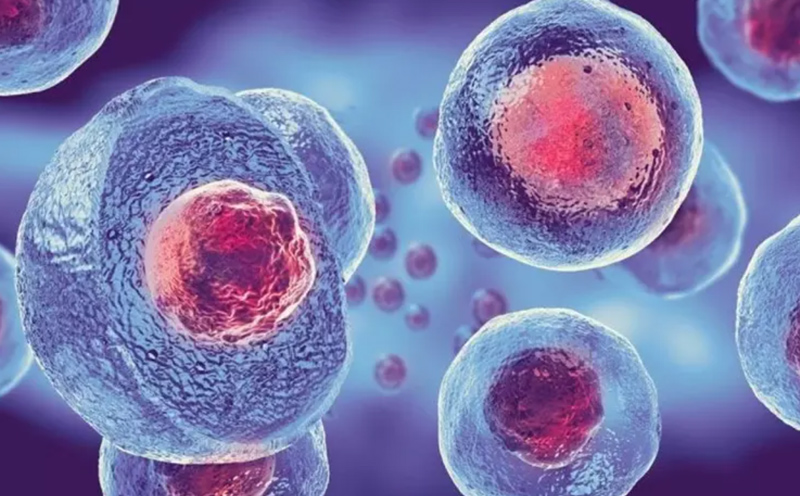
4. Stem Cell Therapy for Meniscus Regeneration
Stem cells can transform into cartilage cells, directly repairing damaged tissue. When injected into the knee, they promote new tissue growth and restore cushioning, even in chronic tears.
5. Anti-Inflammatory Nutrition and Supplements
Omega-3 fatty acids, collagen peptides, turmeric, and vitamin D support joint recovery naturally.
Stem Cell Therapy: The Leading Non-Surgical Alternative
How Stem Cells Work in Meniscus Repair
Stem cells release growth factors and cytokines that:
- Stimulate collagen and cartilage regeneration
- Reduce inflammation in the joint
- Increase joint lubrication and flexibility
Clinical Studies Supporting Regenerative Healing
- A 2017 American Journal of Sports Medicine study found that meniscus volume increased significantly after MSC injections.
Benefits of Avoiding Surgery for Meniscus Tears
Faster Recovery and Less Downtime
Non-surgical approaches allow patients to resume normal activity in weeks, not months.
Lower Risk of Complications
No anesthesia, no incisions, and minimal infection risk.
Preservation of Natural Knee Structure
Regenerative therapies heal existing tissue rather than removing it, maintaining your knee's natural biomechanics.
Why Colombia Is a Global Leader in Non-Surgical Regenerative Orthopedics
The Role of YouMedicine Clinic and YouMedicine
At YouMedicine Clinic, YouMedicine specializes in stem cell and PRP therapy for joint conditions. In Colombia, biological products are overseen by INVIMA and health facilities are registered in REPS; ask for documentation of the specific product proposed in your plan.
Colombia offers world-class regenerative medicine at a fraction of the cost compared to the USA or Europe—without compromising on medical standards.
FAQs About Treating Meniscus Tears Without Surgery
Can a torn meniscus heal on its own?
Yes, small tears in the outer meniscus often heal naturally with rest and biological therapies like PRP or stem cells.
How long does non-surgical healing take?
Recovery typically takes 6–12 weeks, depending on the tear's severity and treatment type.
Are stem cell or PRP treatments painful?
Only mild discomfort during injection; most patients resume walking the same day.
Can stem cell therapy prevent future knee surgery?
Yes, by regenerating cartilage and reducing inflammation, stem cells may delay or eliminate the need for surgery.
Is it safe to get these treatments in Colombia?
Absolutely—YouMedicine Clinic adheres to international regenerative standards and ethical cell sourcing.
Conclusion: Healing the Meniscus Naturally Is Possible
So, can you treat a meniscus tear without surgery? Yes—and thousands of patients are proving it every year through regenerative medicine.
With treatments like stem cell therapy and PRP, you can restore your knee function naturally, without the long recovery or risks of surgery.
For cutting-edge regenerative options, YouMedicine and the YouMedicine Clinic in Colombia stand at the forefront of non-surgical orthopedic healing—where science meets natural recovery.
Learn more or book a consultation at youmedicine.co.