
Can Stem Cells Stop the Need for a Hip Replacement? The Future of Regenerative Joint Healing
Introduction: A New Alternative to Hip Replacement Surgery
For decades, patients with severe hip pain had only one long-term solution—hip replacement surgery. But what if you could repair your hip joint naturally without going under the knife?
Thanks to Stem Cell Therapy, that dream is becoming reality. Regenerative medicine allows your body to rebuild cartilage, reduce inflammation, and restore joint function, offering a potential alternative to artificial hip implants.
Clinics like YouMedicine Clinic in Colombia are leading this transformation, using cutting-edge stem cell protocols to help patients avoid or postpone hip replacement surgery safely.
Understanding Hip Degeneration and Osteoarthritis
What Causes Hip Joint Damage?
The hip is one of the most vital joints for mobility and balance. Over time, cartilage wears down, bone spurs form, and inflammation increases, leading to stiffness and chronic pain.
Common Conditions Leading to Hip Replacement
- Osteoarthritis—the most common cause of cartilage loss
- Avascular Necrosis (AVN)—where bone tissue dies due to poor blood flow
- Post-traumatic arthritis—after injury or fracture
- Rheumatoid arthritis—autoimmune inflammation of the joint
When cartilage is gone, bones rub directly against each other, causing excruciating pain and limited motion—historically leading to surgery.
Why Traditional Hip Replacement Isn't the Only Solution
The Risks and Recovery of Hip Surgery
While hip replacement can relieve pain, it involves:
- Long recovery (3–6 months or more)
- Risk of infection or implant loosening
- Scar tissue and potential for revision surgery
- Reduced flexibility and movement
Why Many Patients Seek Natural, Non-Surgical Options
Patients are increasingly choosing biological repair over mechanical replacement—especially younger or active individuals who want to preserve their natural joint for as long as possible.
Stem Cell Therapy: A Regenerative Revolution for Joint Health
What Are Stem Cells and How Do They Work in the Hip?
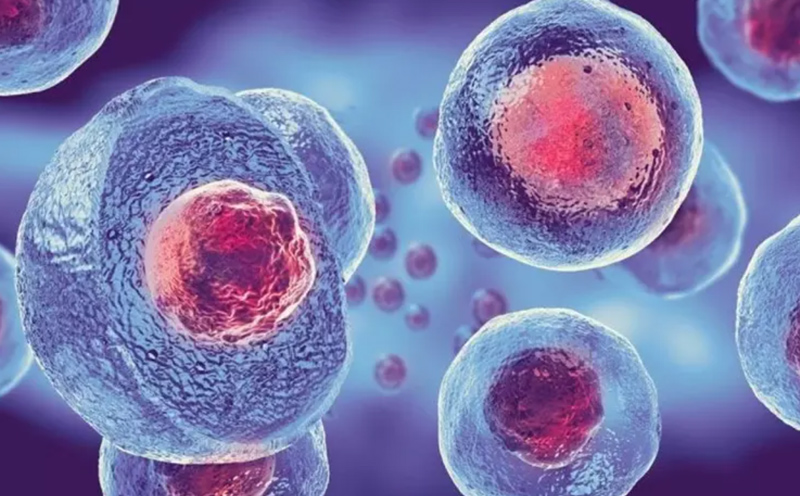
Stem cells are master cells that can develop into various tissue types, including cartilage, bone, and muscle. When injected into the hip joint, they help repair and regenerate damaged tissue, reducing inflammation and stimulating natural healing.
How Stem Cells Help Regrow Cartilage and Bone Tissue
- Reduce inflammation around the joint
- Stimulate new cartilage formation to cushion the bones
- Regenerate microcirculation to nourish the bone
- Release growth factors that repair damaged tissue naturally
The Science Behind Stem Cells in Hip Regeneration
Mechanism: Anti-Inflammatory and Tissue Regeneration
Stem cells release bioactive molecules that:
- Regulate immune response
- Stop destructive inflammatory processes
- Encourage new cartilage and bone formation
What Research and Clinical Studies Show
- A 2021 Journal of Orthopaedic Research study found that stem cell therapy improved hip function and reduced pain in osteoarthritis patients.
- In Stem Cells Translational Medicine (2023), 80% of participants with early hip degeneration reported avoiding surgery after a single stem cell treatment.
Benefits of Stem Cell Therapy for Hip Conditions
Pain Relief and Improved Mobility
Patients often experience reduced pain and greater range of motion within weeks of treatment.
Regeneration of Damaged Cartilage
Stem cells don't just cover up symptoms—they rebuild tissue and restore cushioning between bones.
Delay or Avoidance of Hip Replacement Surgery
For many patients, stem cells can postpone surgery by years, or even eliminate the need altogether.
Stem Cells vs. Hip Replacement: A Clear Comparison
Procedure Type:
- Stem Cell Therapy: Non-surgical injection
- Hip Replacement: Major invasive surgery
Recovery Time:
- Stem Cell Therapy: 1–2 weeks
- Hip Replacement: 3–6 months
Natural Joint Preservation:
- Stem Cell Therapy: Yes
- Hip Replacement: No
Results Duration:
- Stem Cell Therapy: Long-term regeneration
- Hip Replacement: Artificial joint lifespan (10–15 years)
Why Choose Stem Cell Therapy in Colombia
YouMedicine Clinic: Leading the Regenerative Movement
At YouMedicine Clinic in Colombia, advanced autologous and allogeneic stem cell protocols are performed with INVIMA certification for safety and quality.
YouMedicine's Expertise and Experience
Under the guidance of YouMedicine, the clinic offers personalized regenerative treatments based on the latest clinical evidence, combining science and patient care to achieve exceptional outcomes.
High-Quality Treatments at Affordable Costs
Colombia provides world-class regenerative care at a fraction of U.S. and European prices, making it accessible without compromising quality or ethics.
Who Is a Good Candidate for Stem Cell Therapy for Hip Pain?
You may benefit if you:
- Have mild to moderate osteoarthritis or cartilage loss
- Experience hip pain, stiffness, or reduced motion
- Want to avoid or delay surgery
- Are healthy enough for outpatient regenerative procedures
FAQs About Stem Cell Therapy for Hip Replacement Prevention
Can stem cells completely replace hip surgery?
In many cases, yes—especially in early to mid-stage joint degeneration, stem cells can restore enough tissue to avoid replacement surgery.
How long do results last?
Most patients enjoy sustained improvement for 3–5 years or more, depending on lifestyle and condition severity.
Is the procedure safe?
Yes. Performed under sterile, ultrasound-guided conditions, stem cell therapy has a low risk profile.
Where do the stem cells come from?
They can be autologous (from your fat or bone marrow) or donor-derived (umbilical or Wharton's jelly stem cells)—all ethically sourced and approved.
How soon can I return to activity?
Light activity resumes within a few days, with full function improving gradually over weeks to months.
Conclusion: Restoring Mobility Naturally with Stem Cell Science
So—can stem cells stop the need for a hip replacement? In many cases, yes. Stem cell therapy can repair cartilage, reduce inflammation, and restore natural joint function, offering a safer, faster, and more natural alternative to invasive surgery.
With YouMedicine and the regenerative specialists at YouMedicine Clinic in Colombia, patients are rediscovering pain-free movement—not through replacement, but through true regeneration.
Discover the future of hip healing at youmedicine.co.