The Future of Sports Injuries with Stem Cell Therapy: Regeneration Over Replacement
Introduction: A New Era in Sports Medicine
Professional athletes, weekend warriors, and fitness enthusiasts share a common risk—injuries that can limit movement, cause chronic pain, and even end careers.
Traditional treatments such as cortisone injections, surgeries, and long-term rehabilitation often address symptoms, not the source of the problem.
Now, stem cell therapy is changing the game—offering natural tissue regeneration, faster recovery, and reduced downtime.
At the forefront of this movement is regenerative medicine, where clinics like YouMedicine Medellín are pioneering science-based, non-surgical healing protocols under the expertise of YouMedicine.
Why Sports Injuries Are So Difficult to Heal
Sports injuries often involve tissues with limited blood supply—such as ligaments, tendons, and cartilage—making natural healing slow and incomplete.
Common conditions include torn ligaments (ACL, MCL, ankle sprains), tendonitis (Achilles, rotator cuff, tennis elbow), meniscus or cartilage injuries, muscle tears and strains, and overuse injuries (plantar fasciitis, bursitis).
Conventional approaches (rest, anti-inflammatories, or surgery) can help—but they rarely regrow damaged tissue or prevent re-injury. That's where stem cells come in.
How Stem Cell Therapy Works for Sports Injuries
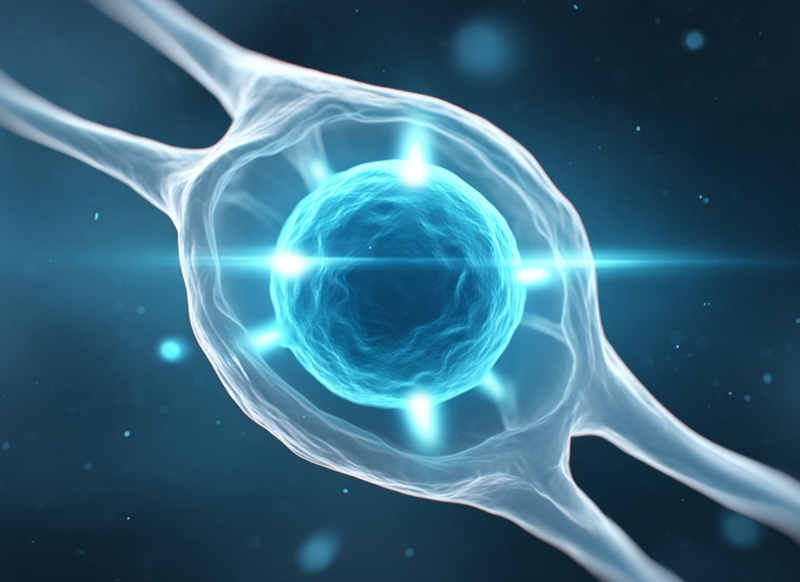
Stem cells are the body's natural repair cells, capable of turning into bone, tendon, cartilage, or muscle tissue.
When injected into injured areas, they sense inflammation, migrate to the damage site, and release healing signals that rebuild tissue from within.
Cellular Regeneration
Stem cells stimulate new tissue formation, repairing micro-tears, scar tissue, and degenerative damage at the cellular level.
Anti-Inflammatory Modulation
They calm chronic inflammation that delays healing, helping reduce pain without steroids or medications that can have long-term side effects.
Collagen and Cartilage Production
Stem cells produce growth factors that stimulate fibroblasts and chondrocytes, improving the structure and strength of ligaments and cartilage naturally.
Improved Blood Flow and Oxygen Delivery
Stem cells enhance angiogenesis (new blood vessel growth), bringing vital nutrients to damaged areas that previously had limited circulation.
Pain Relief and Function Restoration
By restoring healthy tissue and reducing inflammation, patients often experience lasting pain relief and better joint mobility without ongoing medication.
Common Sports Injuries Treated with Stem Cells
Knee meniscus tear and arthritis benefit from cartilage regeneration and reduced inflammation. Rotator cuff tear shows faster tendon healing and improved shoulder mobility.
Tennis or golfer's elbow responds well to repair of tendons and reduced stiffness. Achilles tendonitis or rupture heals through collagen restoration and stronger tendon structure.
Muscle strain and hamstring injury recover through rapid healing of muscle fibers. Joint degeneration (hip, ankle, wrist) treatment delays need for joint replacement surgery.
The Process: Step-by-Step Healing at YouMedicine Medellín
Under YouMedicine's care, athletes and active patients receive a personalized regenerative plan based on science, safety, and performance goals.
Diagnostic Assessment
MRI or ultrasound visualizes soft-tissue damage precisely. Bloodwork and inflammation profiling identifies underlying factors. Motion and strength evaluation establishes baseline measurements for tracking progress.
Cell Preparation
Mesenchymal stem cells (MSCs) from adipose tissue or umbilical cord are purified and tested in GMP-certified laboratories. Exosomes (cellular messengers) are often added to boost regenerative communication between cells.
Targeted Injection
Cells are injected precisely into the damaged area using ultrasound or fluoroscopic guidance for accuracy. Procedure time: 60-90 minutes, performed under local anesthesia with minimal discomfort.
Recovery and Rehabilitation
Light activity resumes within days. Progressive physical therapy builds flexibility and strength gradually. Follow-up imaging and blood tests track progress objectively.
Most patients return to training within 6-12 weeks, depending on injury severity and adherence to rehabilitation protocols.
Scientific Evidence: From Lab to Locker Room
Harvard Stem Cell Institute (2020) research showed stem cells restored cartilage in animal models of joint injury. American Journal of Sports Medicine (2021) reported athletes receiving MSC therapy showed faster recovery from tendon and ligament injuries.
Mayo Clinic (2022) studies found patients treated with stem cells for knee osteoarthritis reported reduced pain and improved function lasting over two years.
FIFA Medical Center of Excellence is exploring MSC therapy for professional soccer injuries and cartilage preservation in elite athletes.
These results point to one truth: regenerative medicine is reshaping sports injury recovery, moving from repair to true regeneration.
Benefits of Stem Cell Therapy for Athletes
Faster recovery means shorter downtime than surgery. Avoiding surgery eliminates need for implants or long rehabilitation periods.
Stronger tissue regenerates rather than forming scar tissue. Natural healing uses the body's own biological processes without foreign materials.
Low risk profile with minimal side effects compared to surgical interventions. Performance longevity reduces re-injury risk and supports joint preservation for extended athletic careers.
The Role of Exosomes and Peptides in Recovery
At YouMedicine Medellín, the YouMedicine team enhances results using exosomes and peptide therapy—advanced tools in cellular communication.
Exosomes amplify stem cells' healing messages, accelerating tissue regeneration at the molecular level. Peptides like BPC-157 or Thymosin Beta-4 stimulate collagen synthesis and vascular growth, crucial for athletes' recovery and performance optimization.
This synergistic protocol helps athletes rebuild faster, feel stronger, and extend their careers naturally.
Safety and Regulation
YouMedicine's regenerative programs follow strict INVIMA (Colombia) and international biosafety standards. GMP-certified lab sourcing ensures cell quality and viability.
Medical-grade sterile environments prevent contamination. Full informed consent and ethical practice protect patient rights and safety.
Stem cell therapy is minimally invasive, drug-free, and generally safe, with most patients reporting little to no downtime.
Future Trends in Sports Regeneration
The next generation of sports medicine will move beyond treatment into performance optimization. Emerging innovations include 3D bioprinting of cartilage and ligaments, gene-edited stem cells for enhanced repair capabilities, wearable regenerative monitoring tracking tissue healing in real time, and personalized cellular therapy based on athlete biomarkers and genetic profiles.
As research advances, regenerative medicine will replace surgical repair with biological restoration—helping athletes heal better, faster, and stronger than ever before.
Frequently Asked Questions (FAQs)
1. Can stem cells repair torn ligaments or cartilage?
Yes, mesenchymal stem cells have been shown to regenerate cartilage and strengthen connective tissue in clinical studies.
2. How soon can I return to sports?
Most patients resume training within 6-12 weeks, though results depend on injury severity and adherence to rehabilitation protocols.
3. Is stem cell therapy approved for athletes?
Regulatory status depends on the specific product and use. In Colombia, INVIMA oversees biological products and health facilities are registered in REPS; ask the clinic for documentation of the product in your plan. Professional athletes should also confirm eligibility with their sports governing bodies.
4. Are results permanent?
Many experience long-term relief and improved performance, though maintenance or follow-up sessions may be recommended for optimal outcomes.
5. Is the procedure painful?
It's minimally invasive and typically performed under local anesthesia—most patients describe only mild pressure or soreness that resolves quickly.
6. Can I combine stem cell therapy with physical therapy?
Yes, and it's recommended. Combining cellular therapy with proper rehabilitation maximizes healing and functional recovery.
Final Thoughts
Stem cell therapy is rewriting the future of sports medicine—replacing surgery and medication with the body's own biology. By regenerating tissue, accelerating recovery, and restoring full performance potential, it empowers athletes to stay in the game—naturally and safely.
At YouMedicine Medellín leads this evolution with personalized regenerative programs, blending cellular science, advanced imaging, and performance rehabilitation for optimal athletic outcomes.
youmedicine.co
Related reading: For a full overview of sports injury evaluation and recovery options available at YouMedicine in Medellín, see our page on sports injury recovery in Medellín. Patients considering alternatives before joint surgery may also find useful information on options before joint surgery in Medellín.