10 Famous Athletes Using Stem Cell Therapy to Recover From Injuries
Introduction: Why Elite Athletes Choose Stem Cell Therapy
In the high-stakes world of professional sports, injuries can end careers overnight. Torn ligaments, damaged cartilage, and chronic pain are constant threats. But today, a new kind of recovery is changing the game—stem cell therapy.
Top athletes are turning to regenerative medicine to heal faster, avoid surgery, and extend their careers naturally. From Europe to South America, stem cell treatments are helping professionals achieve record-breaking recoveries.
How Stem Cell Therapy Revolutionizes Sports Medicine
Understanding the Role of Stem Cells in Injury Repair
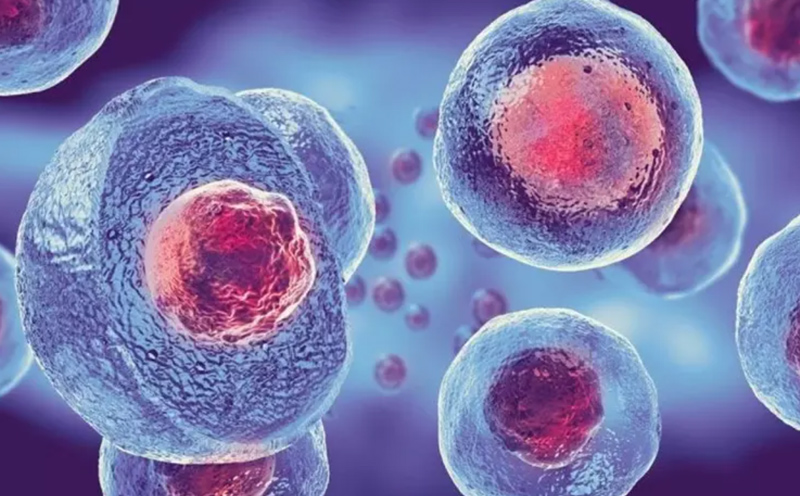
Stem cells are the body's natural repair agents. They can transform into muscle, bone, tendon, or cartilage cells, helping injured tissue regenerate. When injected into damaged areas, they trigger the body's healing response and reduce inflammation.
Benefits of Stem Cell Therapy for Athletes
- Faster recovery from muscle tears and ligament injuries
- Avoidance of invasive surgeries like ACL reconstruction
- Improved flexibility and joint function
- Reduced pain and inflammation
- Long-term tissue regeneration
10 Famous Athletes Who Used Stem Cell Therapy to Recover from Injuries
1. Cristiano Ronaldo – Regenerating Muscle and Knee Tissue
In 2016, Cristiano Ronaldo underwent stem cell therapy to heal a hamstring injury before the Euro Cup. Reports showed he recovered in record time—demonstrating the therapy's power in restoring muscle strength and flexibility.
2. Rafael Nadal – Stem Cells for Chronic Back Pain
Tennis legend Rafael Nadal turned to stem cell therapy to treat chronic back and knee issues. The procedure helped regenerate degenerated tissue, extending his career and performance longevity.
3. Kobe Bryant – PRP and Stem Cell Injections for Knee Repair
The late Kobe Bryant famously flew to Germany for advanced PRP and stem cell therapy on his knees. After the treatment, he returned to the NBA with renewed strength and minimal pain, inspiring other athletes to follow his path.
4. Peyton Manning – Neck Injury Regeneration
NFL quarterback Peyton Manning used stem cell therapy to regenerate nerves and muscles in his neck after multiple surgeries. The results were remarkable—he made a full comeback, leading the Broncos to a Super Bowl victory.
5. Tiger Woods – Ligament and Back Healing
Golf icon Tiger Woods has undergone several regenerative therapies, including stem cell and PRP treatments, to recover from back surgeries and ligament injuries—helping him stay competitive into his 40s.
6. Bartolo Colón – Elbow and Shoulder Recovery
After suffering severe ligament damage, MLB pitcher Bartolo Colón received fat-derived stem cell injections to rebuild his elbow and shoulder. Within months, he returned to the mound stronger than before.
7. Alex Rodriguez – Hip and Joint Regeneration
Baseball star Alex Rodriguez used stem cell injections to repair joint and cartilage injuries. His recovery was so successful that he extended his career and regained full mobility.
8. David Beckham – Tendon Healing Therapy
When David Beckham tore his Achilles tendon, stem cell therapy played a major role in his rehabilitation. The treatment accelerated tissue repair and helped him regain balance and agility in record time.
9. Usain Bolt – Muscle and Hamstring Regeneration
The world's fastest man, Usain Bolt, relied on regenerative therapies to treat recurring hamstring injuries. Stem cell injections promoted rapid muscle recovery, allowing him to maintain his legendary speed.
10. Serena Williams – Postpartum and Muscular Recovery
Tennis champion Serena Williams reportedly used regenerative medicine for muscle recovery and postpartum wellness, allowing her to return to elite performance levels faster than most athletes in her category.
The Science Behind Their Success: How Stem Cells Aid Recovery
Stem Cells Reduce Inflammation and Accelerate Healing
When injected into damaged tissue, stem cells release growth factors that reduce inflammation and trigger the formation of new, healthy cells.
Regenerating Cartilage, Tendons, and Ligaments Naturally
Stem cell therapy helps restore cartilage and connective tissue, crucial for athletes recovering from ACL, meniscus, or rotator cuff injuries.
Improving Circulation and Oxygenation in Muscles
By improving microvascular circulation, stem cells enhance oxygen and nutrient delivery, speeding up muscle repair and reducing soreness.
Why Stem Cell Therapy Is Safer and Faster Than Surgery
Shorter Downtime and Non-Invasive Treatment
Unlike surgery, stem cell therapy is minimally invasive, requires no general anesthesia, and allows athletes to resume training within weeks.
Regeneration Instead of Replacement
Instead of replacing damaged tissue with artificial implants, stem cells rebuild natural tissue, ensuring better long-term mobility and strength.
Why Colombia Is Emerging as a Sports Medicine Hub
Advanced Regenerative Clinics Like YouMedicine
Colombia offers regenerative medicine services with varying products and protocols. In Colombia, biological products are overseen by INVIMA and health facilities are registered in REPS; ask YouMedicine for documentation of the specific product and protocol proposed in your plan.
YouMedicine's Expertise in Athletic Regeneration
YouMedicine, a pioneer in regenerative and anti-aging medicine, combines stem cell therapy, PRP, and rehabilitation techniques to help professional and amateur athletes recover faster and perform better.
FAQs About Stem Cell Therapy for Sports Injuries
What types of injuries can stem cells treat?
Stem cell therapy is effective for tendon tears, cartilage damage, arthritis, ligament sprains, and nerve injuries.
How long does recovery take?
Most athletes resume light activity within 2–3 weeks, with full recovery in 2–3 months depending on injury severity.
Are there any side effects?
Side effects are minimal—mild swelling or soreness at the injection site, resolving in a few days.
Is it approved and safe?
Yes, when done in licensed medical facilities like YouMedicine Clinic using ethically sourced stem cells.
Can non-athletes benefit too?
Absolutely. Stem cell therapy is ideal for anyone with chronic joint pain or sports-related injuries.
Conclusion: The Future of Athletic Recovery Through Stem Cells
The stories of Cristiano Ronaldo, Rafael Nadal, and Kobe Bryant show that stem cell therapy isn't science fiction—it's the future of recovery.
By repairing tissue from the inside out, stem cells enable athletes to heal faster, avoid surgery, and return stronger than ever.
For those seeking advanced regenerative care, YouMedicine Clinic in Colombia offer world-class expertise—where science and sports performance meet.
Learn more about regenerative recovery at youmedicine.co and take your healing to the next level.