
Exosomes and Regenerative Healing: The Future of Advanced Recovery
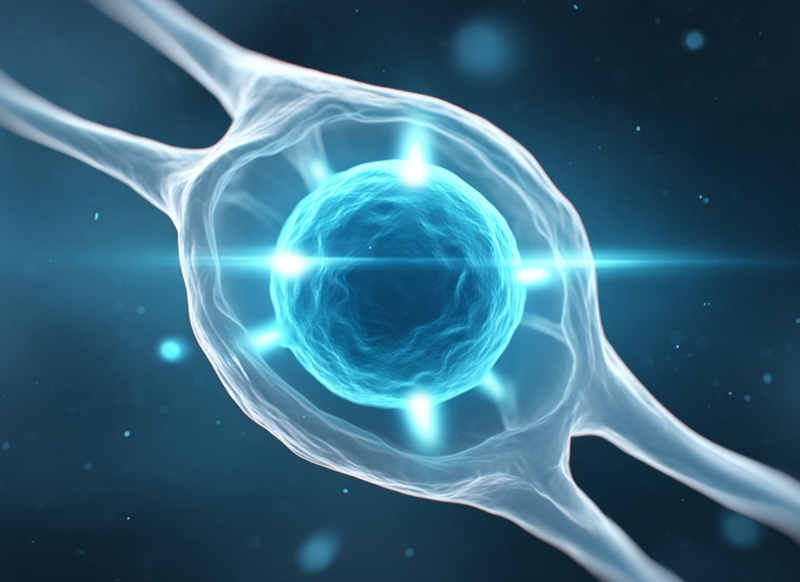
Exosomes and Regenerative Healing: The Future of Advanced Recovery
Regenerative medicine has evolved rapidly — from basic growth factor applications to stem cell therapy, and now to one of its most sophisticated tools yet: exosome therapy. Understanding what exosomes are and how they function unlocks a new layer of insight into how the body heals, and why enhancing that communication system can produce meaningful clinical results.
Why Exosomes Are Gaining Attention
Exosomes represent an important evolution in regenerative thinking. Rather than introducing whole cells into the body, exosome therapy delivers the precise signaling molecules that cells use to coordinate repair — without the complexity of managing living cell viability. This distinction has several practical implications:
- No cellular immune rejection risk — exosomes are not living cells and do not trigger the immune responses that can complicate allogeneic (donor) cell therapy
- Precise biological messaging — exosomes carry specific cargo that directs target cells to perform defined repair functions
- Stability advantages — properly prepared exosomes are more stable than living cells, which require careful cold chain management
The result is a tool that can be used alone or in combination with stem cell therapy to amplify and direct the regenerative response.
The Evolution of Regenerative Therapies
The progression from conventional medicine to regenerative approaches reflects a fundamental shift in therapeutic philosophy:
- Conventional medicine: Manages symptoms — pain, inflammation, dysfunction
- Growth factor therapy: Delivers concentrations of signaling proteins to stimulate local repair
- Stem cell therapy: Introduces regenerative cells that produce growth factors, differentiate into needed tissue types, and modulate the inflammatory environment
- Exosome therapy: Delivers the intercellular messaging system itself — the precise biological instructions that coordinate cellular behavior in repair and regeneration
Each step moves further toward addressing biological root causes rather than symptomatic management.
What Are Exosomes?
Simple Definition
Exosomes are extracellular vesicles — tiny membrane-enclosed particles — naturally produced and released by virtually every cell type in the body. They range from 30 to 150 nanometers in diameter (far smaller than a cell) and carry a sophisticated cargo of:
- Proteins — growth factors, enzymes, and signaling molecules
- Lipids — structural components that also serve signaling functions
- RNA — including mRNA (messenger RNA) and microRNA that directly influence gene expression in recipient cells
- DNA fragments — contributing to cellular communication at the genetic level
How Exosomes Are Formed
Exosomes are produced through a specific intracellular process:
- The cell membrane invaginates to form endosomes — internal membrane compartments
- These endosomes accumulate signaling cargo specific to the cell's current function and state
- The endosomes fuse with the cell membrane and release their contents as exosomes into the extracellular environment
- Exosomes travel through biological fluids — bloodstream, lymphatic system, cerebrospinal fluid — to reach target cells
This is the body's most sophisticated intercellular communication system. Therapeutic exosomes leverage this natural mechanism to deliver specific biological instructions to target tissues.
How Exosomes Work in Regenerative Healing
Cellular Communication
The primary mechanism of exosome action is intercellular information transfer. When an exosome reaches a target cell, it fuses with the cell membrane and delivers its cargo — which then directly influences what the recipient cell does:
- mRNA delivery — instructs the cell to produce specific proteins associated with repair, proliferation, or anti-inflammatory signaling
- microRNA delivery — regulates gene expression in the recipient cell, modulating which proteins are produced and in what quantities
- Growth factor delivery — directly stimulates receptor pathways associated with tissue repair and regeneration
- Epigenetic reprogramming — in some contexts, exosome cargo can influence longer-term patterns of gene expression in recipient cells
This is why exosomes are sometimes described as carrying the "software" of regeneration — the instructions, not just the raw materials.
Tissue Repair and Regeneration
At the tissue level, exosome therapy:
- Activates resident stem cells — signaling the body's own stem cells to become more active in the repair process
- Promotes angiogenesis — stimulating the formation of new blood vessels that supply damaged tissue with the oxygen and nutrients repair requires
- Reduces senescent cell burden — exosomes from young, healthy cells can signal senescent (dysfunctional aged) cells toward clearance, a key mechanism in anti-aging applications
- Modulates the extracellular matrix — supporting the structural scaffold within which tissue repair occurs
Benefits of Exosome Therapy
Faster Recovery
By delivering precisely targeted repair signals to damaged tissue, exosome therapy can compress the natural healing timeline — activating repair processes that would otherwise occur much more slowly or incompletely.
In orthopedic applications, this translates to measurably faster return to activity. In skin applications, more rapid tissue turnover and collagen production. In systemic applications, patients frequently report improved energy and wellbeing within weeks.
Reduced Inflammation
Exosomes derived from mesenchymal stem cells (MSC-exosomes) carry potent anti-inflammatory cargo — IL-10, TGF-β, and other cytokines that suppress the chronic inflammation driving many pain and degenerative conditions. This anti-inflammatory effect is one of the most consistent findings across exosome research.
Enhanced Tissue Repair
The precision of exosome signaling allows for tissue-specific repair effects. MSC-derived exosomes have demonstrated capacity to support repair in cartilage, muscle, tendon, skin, neural tissue, and cardiac tissue — with the specific effect determined by the local tissue environment and the exosome cargo composition.
Anti-Aging Effects at the Cellular Level
This is one of the most compelling areas of exosome research. Exosomes from young, healthy MSCs carry signals associated with cellular youth — telomere maintenance, mitochondrial biogenesis, reduced oxidative stress, and senolytic activity. Early evidence suggests that systemic exosome protocols may influence biological age markers in ways that support broader longevity goals.
Exosomes vs Stem Cells: Key Differences
| Feature | Exosomes | Stem Cells |
|---|---|---|
| What they are | Signaling vesicles | Living cells |
| Primary function | Cellular communication and instruction | Cell replacement and regeneration |
| Immune considerations | Lower reaction risk | Requires matching or autologous sourcing |
| Combination use | Often paired with stem cells | Core regenerative therapy |
| Best application | Signaling amplification, anti-aging, surface treatments | Tissue replacement, structural regeneration |
Which Is Better?
Neither is categorically superior — they serve complementary roles. Stem cells provide the cellular raw material for tissue regeneration and the sustained production of regenerative signals. Exosomes provide targeted, precise biological messaging that can amplify stem cell activity, guide the repair process, and achieve effects in situations where whole-cell delivery is not the primary goal.
The most effective comprehensive regenerative protocols often combine both — using stem cells for their regenerative capacity and exosomes to direct, amplify, and optimize the repair response. At YouMedicine, our Stem Cell Express program incorporates microneedling with exosomes and PRP as part of a comprehensive multi-modality protocol precisely because the combination produces superior results.
Medical and Wellness Applications
Orthopedic Injuries
Exosome therapy has demonstrated meaningful effects in orthopedic applications:
- Joint cartilage support — MSC-exosomes promote chondrocyte activity and cartilage matrix production
- Tendon and ligament healing — accelerating repair in tissues with limited natural blood supply
- Post-surgical recovery — reducing inflammation and accelerating tissue healing following orthopedic procedures
- Muscle repair — supporting satellite cell activation for accelerated muscle tissue regeneration
Skin Rejuvenation
One of the most established aesthetic applications. Exosomes applied topically or via microneedling delivery:
- Stimulate collagen and elastin production
- Accelerate cellular turnover
- Improve skin texture, tone, and hydration
- Reduce the appearance of fine lines and improve overall skin quality
The combination of microneedling with exosomes — as used in YouMedicine protocols — creates microchannels that allow exosome penetration to the dermal layers where the most significant regenerative effects occur.
Hair Restoration
Exosomes applied to the scalp — typically via microneedling — can stimulate dormant hair follicles and support the anagen (growth) phase. This is an area of active clinical research with increasingly strong evidence for meaningful improvement in androgenic alopecia and other forms of hair loss.
Neurological Research
Perhaps the most scientifically exciting frontier. Exosomes have unique capacity to cross the blood-brain barrier — a major limitation for most pharmaceutical approaches to neurological conditions. Research is actively exploring:
- Neuroprotective effects in neurodegenerative conditions
- Support for neural repair following injury
- Cognitive health and longevity applications
This remains an emerging area, but the early evidence is generating significant scientific interest.
What to Expect from Exosome Therapy
Procedure Overview
Delivery method depends on the application:
- Intravenous administration — for systemic anti-aging, vitality, and neurological applications; delivered in a clinical setting over 30–60 minutes
- Targeted injection — for orthopedic applications; exosomes are injected directly into the affected joint or tissue
- Microneedling with topical application — for skin and hair applications; microneedling creates delivery channels that allow exosomes to penetrate to the active dermal layers
All protocols begin with a thorough medical consultation and evaluation to determine the appropriate delivery method and exosome concentration for your specific goals.
Timeline of Results
- Weeks 1–3: Initial improvements in inflammation and energy; early vascular changes begin
- Weeks 4–8: Noticeable functional and aesthetic improvements as signaling cascades produce measurable tissue changes
- Long-term: Continued benefits as regenerative processes complete and new tissue matures; some biological effects continue for months beyond the treatment itself
Safety and Risks
Side Effects
Exosome therapy has an excellent safety profile in clinical settings:
- Mild temporary swelling or redness at injection or application sites
- Brief fatigue following systemic IV protocols
- Rare allergic reactions — minimized by rigorous sourcing and quality standards
Because exosomes are not living cells, they do not carry the immune rejection risks associated with allogeneic cell therapy.
Regulatory Considerations
The regulatory status of exosome therapy varies by country and continues to evolve as the field matures. In Colombia, exosome therapy is available under physician supervision in clinical settings. As with all regenerative therapies, working with a licensed medical clinic is essential for both safety and regulatory compliance.
Cost and Accessibility
Pricing Overview
Costs depend significantly on the application, concentration, and delivery method:
Every plan is personalized. Message us on WhatsApp and we'll send your quote after reviewing your case.
Every plan is personalized. Message us on WhatsApp and we'll send your quote after reviewing your case.
Every plan is personalized. Message us on WhatsApp and we'll send your quote after reviewing your case.
Colombia offers meaningful cost advantages over North American and European pricing for equivalent protocols.
FAQs About Exosome Therapy
Are exosomes better than stem cells?
They serve different roles and are most powerful when used together. Exosomes excel at cellular communication and directing repair; stem cells provide cellular raw material and sustained regenerative signaling. Neither replaces the other.
Is exosome therapy safe?
Yes, with an excellent safety profile — particularly compared to whole-cell therapies. Proper sourcing, preparation quality, and physician supervision are the key determinants of safety.
How long do results last?
Most patients experience benefits lasting several months to over a year. The duration depends on the application, the exosome concentration, and individual biological factors. Periodic maintenance protocols are common for anti-aging and longevity applications.
Is the treatment painful?
Most procedures involve minimal discomfort. Topical and microneedling applications are well tolerated. Injection procedures are managed with local anesthetic where appropriate.
Where can I learn more?
The National Institutes of Health maintains extensive peer-reviewed research on exosome biology and therapeutic applications.
Conclusion
Exosome therapy represents one of the most scientifically sophisticated tools in regenerative medicine today — delivering the precise intercellular messages that coordinate healing and regeneration, with an excellent safety profile and a growing evidence base across orthopedic, aesthetic, hair restoration, and systemic applications.
At YouMedicine in Medellín, exosome therapy is integrated into our comprehensive regenerative protocols — including our Stem Cell Express program, which combines stem cells with exosome microneedling and PRP for amplified results.
Contact us at wellness@youmedicine.co or via WhatsApp at +57 324 576 1913 to learn how exosome therapy fits into a protocol designed for your specific goals.
Your wellness starts with YOU.