
Exosome vs Stem Cell Therapy Colombia: 11 Critical Differences You Need to Know in 2026
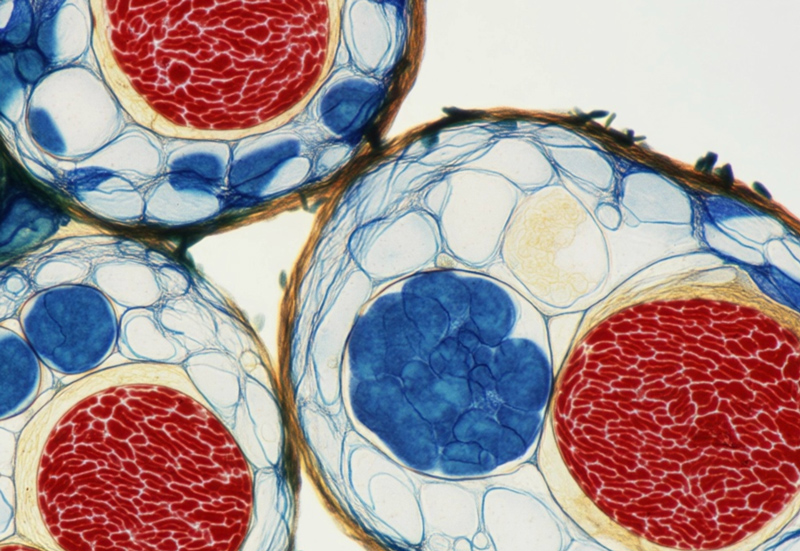
Patients travelling to Colombia for regenerative medicine often encounter two popular treatment categories: stem cell therapy and exosome therapy. While clinics frequently market both for chronic pain, orthopaedic injuries, anti-ageing, autoimmune conditions, and neurological disorders, many patients are unsure how these therapies actually differ.
Understanding the distinction requires examining the science, clinical evidence, safety concerns, costs, and regulatory considerations behind each approach.
Introduction to Regenerative Medicine
Regenerative medicine focuses on supporting the body's natural healing processes — repairing damaged tissues, reducing inflammation, and improving function through biologically active treatments. Two of the most discussed approaches today are stem cell therapy and exosome therapy. Although they are often grouped together, they are not the same treatment.
What Are Stem Cells?
Stem cells are unique cells capable of self-renewal and producing specialised cell types under certain conditions.
How Stem Cells Function
In regenerative medicine, stem cells are believed to contribute primarily through:
- Release of signalling molecules
- Immune system modulation
- Anti-inflammatory effects
- Tissue repair support
- Cellular communication
Modern research suggests that much of their therapeutic impact may come from the substances they secrete rather than direct replacement of damaged tissue.
Types of Stem Cells Used in Therapy
| Stem Cell Source | Description |
|---|---|
| Bone Marrow | Cells collected from the patient's marrow |
| Adipose Tissue | Cells derived from body fat |
| Umbilical Tissue | Donor-derived cells processed under specific protocols |
| Mesenchymal Stromal Cells (MSCs) | Widely used in regenerative medicine research |
The source may influence treatment protocols, cost, and regulatory oversight.
What Are Exosomes?
Exosomes are microscopic extracellular vesicles naturally released by cells. They contain proteins, lipids, growth factors, messenger RNA, and signalling molecules. Unlike stem cells, exosomes are not living cells.
How Exosomes Work
Exosomes function primarily as communication vehicles between cells. Researchers believe they may deliver biological signals, influence inflammation, support tissue repair pathways, and affect immune responses. Because exosomes are cell-derived products rather than living cells, they represent a distinct therapeutic strategy.
Sources of Exosome Products
Commercial exosome products may originate from:
- Mesenchymal stromal cell cultures
- Umbilical tissue-derived sources
- Laboratory-manufactured cell products
Patients should always ask providers where exosomes originate and how they are processed.
Exosome vs Stem Cell Therapy: Key Differences
| Feature | Stem Cell Therapy | Exosome Therapy |
|---|---|---|
| Living Cells | Yes | No |
| Ability to Self-Renew | Yes | No |
| Direct Cellular Activity | Potentially | No |
| Primary Mechanism | Cellular signalling and repair support | Cellular communication |
| Research History | Longer | Newer |
| Regulatory Complexity | High | High |
| Commercial Availability | Widespread | Increasing rapidly |
One of the biggest misconceptions is that exosomes are simply "better stem cells." Scientifically, they are distinct biological products with different mechanisms and evidence levels.
Scientific Evidence in 2026
Research on Stem Cells
Stem cell research has progressed substantially over the past two decades. Areas with the strongest evidence include certain blood cancers, bone marrow transplantation, and specific immune disorders. Research continues for osteoarthritis, cartilage injuries, autoimmune diseases, and neurological disorders — though many commercial regenerative applications remain under investigation.
Research on Exosomes
Exosome research is advancing rapidly but remains relatively early. Scientists are studying exosomes for orthopaedic conditions, wound healing, neurological disorders, and inflammatory diseases. Despite encouraging laboratory findings, many exosome applications currently lack large-scale clinical evidence.
As of 2026, most experts view exosome therapy as promising but still experimental for many advertised uses.
Conditions Commonly Marketed for Treatment
Clinics in Colombia often promote both therapies for:
Orthopaedic Conditions — Knee osteoarthritis, hip arthritis, shoulder injuries, tendon injuries, sports medicine applications.
Neurological Disorders — Multiple sclerosis, Parkinson's disease, stroke recovery.
Autoimmune Conditions — Lupus, rheumatoid arthritis, chronic inflammatory diseases.
Wellness and Anti-Ageing — Energy enhancement, healthy ageing, skin rejuvenation, performance optimisation.
Patients should carefully evaluate the evidence supporting specific claims for their condition before committing to treatment.
Safety Considerations
Stem Cell Therapy Risks
- Infection
- Bleeding
- Immune reactions
- Product contamination
- Procedure-related complications
Exosome Therapy Risks
- Unknown long-term effects
- Product quality concerns
- Manufacturing inconsistencies
- Contamination risks
- Limited long-term safety data
A major concern with both therapies involves products that are poorly characterised or insufficiently tested. Patients should ask for specific documentation on product sourcing and quality control.
Regulatory Environment in Colombia
The regulatory landscape for regenerative medicine continues to evolve. Patients considering either therapy in Colombia should verify:
- Physician credentials
- Laboratory standards
- Product sourcing and traceability
- Regulatory compliance
- Clinical oversight
Do not assume that all marketed therapies have undergone the same level of regulatory review.
Cost Comparison
Pricing varies significantly among providers. Typical factors affecting cost include:
| Cost Factor | Impact |
|---|---|
| Cell or Exosome Source | High |
| Product Processing | High |
| Number of Treatments | Moderate |
| Diagnostic Testing | Moderate |
| Follow-Up Care | Moderate |
Generally, stem cell therapy ranges from several thousand to tens of thousands of dollars depending on the protocol. Exosome therapy may be similarly priced or occasionally more expensive depending on the product and provider. Always request a detailed written cost estimate before committing.
Which Treatment May Be Better for Different Patients?
There is no universal answer. Suitability depends on the medical condition, health status, treatment goals, available evidence, and physician evaluation.
Stem Cell Therapy May Appeal To
- Patients seeking therapies involving living cells
- Individuals with orthopaedic conditions under active investigation
- Patients interested in more established regenerative approaches
Exosome Therapy May Appeal To
- Patients interested in cell-free biologics
- Individuals seeking emerging regenerative technologies
- Patients whose providers recommend exosome-based approaches
Questions to Ask a Clinic
Before proceeding with either therapy:
- What exactly is being injected?
- What scientific evidence supports this treatment?
- Is the product tested for safety and purity?
- What are the known risks?
- What outcomes are realistic for my condition?
- How many similar procedures have been performed?
- What follow-up care is included?
- Are there published clinical studies supporting your protocol?
Transparent, specific answers are a positive sign. Vague or evasive responses are a reason to pause.
Frequently Asked Questions
Are exosomes the same as stem cells?
No. Exosomes are microscopic vesicles released by cells, while stem cells are living cells capable of self-renewal.
Which therapy is newer?
Exosome therapy is generally considered newer, with a shorter clinical research history.
Is one safer than the other?
Neither can be assumed safer without evaluating the specific product, clinic, protocol, and patient circumstances.
Do exosomes contain living cells?
No. Exosomes are cell-derived particles and are not living cells.
Can exosomes replace stem cells?
Not necessarily. They have different biological functions and are being studied for different applications.
Are these treatments guaranteed to work?
No. Outcomes vary considerably, and no reputable clinic should promise guaranteed results.
Conclusion
Stem cells and exosomes are distinct regenerative medicine approaches. Stem cells are living cells that may support repair through multiple mechanisms; exosomes are cell-derived signalling vesicles that facilitate cellular communication.
Both therapies attract attention in Colombia's medical tourism market, and both require careful evaluation. Patients should prioritise scientific evidence, physician expertise, transparent clinic practices, and realistic expectations before making treatment decisions. Regenerative medicine holds genuine potential — but informed decision-making is what separates a well-considered treatment from an expensive gamble.